
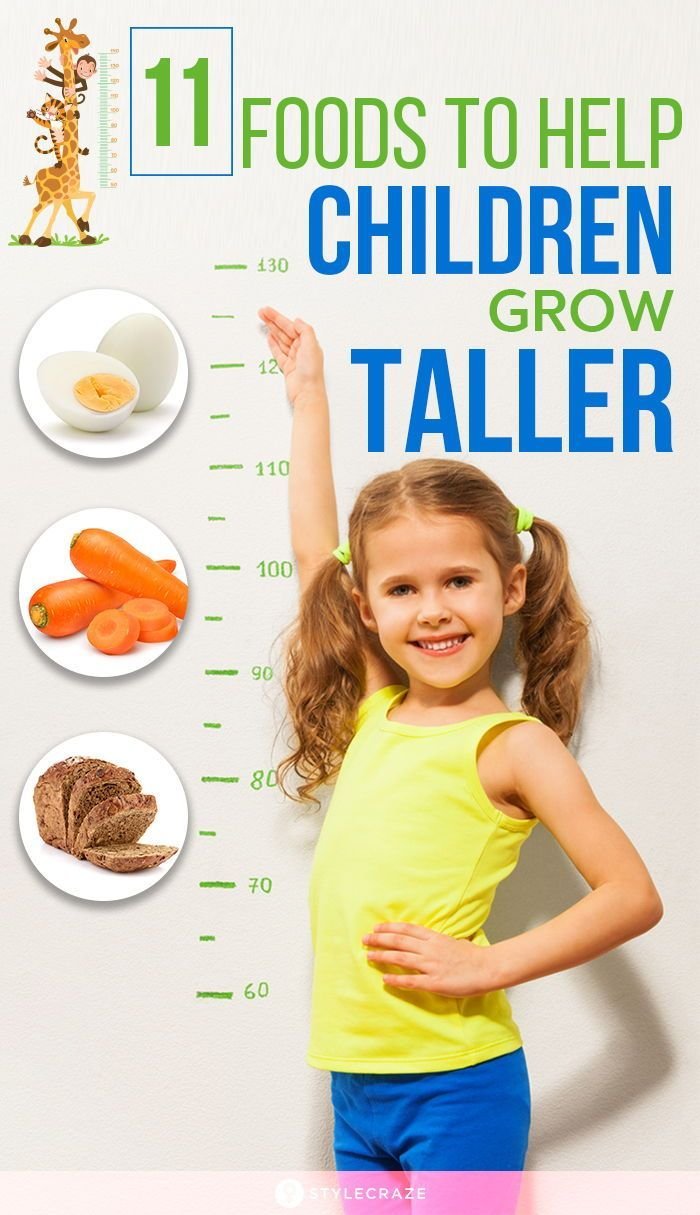
Understanding Toddler Nutritional Needs
Toddlers, typically aged one to three years, have unique nutritional requirements that differ from older children and adults. They need a diet that provides sufficient energy, protein, vitamins, and minerals to support their rapid growth and active lifestyles. While the specific needs can vary depending on a child’s age, size, and activity level, there are general guidelines that can help ensure toddlers receive adequate nutrition.
Caloric Intake
Toddlers require approximately 1,000 to 1,400 calories per day, depending on their activity level. However, it’s important to focus on nutrient-dense foods rather than simply counting calories. Toddlers should receive most of their calories from a variety of food groups to ensure balanced nutrition.
Macronutrients
Macronutrients, including carbohydrates, proteins, and fats, are essential for a toddler’s growth and development. Carbohydrates should make up about 45-65% of a toddler’s diet, proteins 10-20%, and fats 30-40%. Each macronutrient plays a vital role in supporting bodily functions and development.
Essential Nutrients for Toddlers
To support optimal growth, toddlers need a variety of essential nutrients. Here are some key nutrients and their sources:
Calcium
Calcium is crucial for building strong bones and teeth. Toddlers should consume about 700 mg of calcium daily. Good sources of calcium include dairy products like milk, cheese, and yogurt, as well as fortified plant-based milk alternatives and leafy green vegetables.
Iron
Iron is vital for cognitive development and preventing anemia. Toddlers need approximately 7 mg of iron per day. Iron-rich foods include lean meats, poultry, fish, fortified cereals, beans, and lentils. Pairing iron-rich foods with vitamin C-rich foods can enhance iron absorption.
Vitamin D
Vitamin D is necessary for calcium absorption and bone health. Toddlers should have 600 IU of vitamin D daily. Sun exposure, fortified dairy products, fatty fish, and supplements can help ensure adequate vitamin D intake.
Fiber
Fiber is essential for healthy digestion. Toddlers should consume about 19 grams of fiber each day. Fruits, vegetables, whole grains, and legumes are excellent sources of dietary fiber.
Tips for Encouraging Healthy Eating Habits
Establishing healthy eating habits early in life sets the foundation for a lifetime of good nutrition. Here are some strategies to encourage toddlers to develop healthy eating habits:
Offer a Variety of Foods
Provide a diverse selection of foods to expose toddlers to different tastes and textures. Introducing a wide range of foods can help prevent picky eating and ensure balanced nutrition.
Be a Role Model
Children often mimic their parents’ behaviors, so it’s important for caregivers to demonstrate healthy eating habits. Eating meals together as a family can reinforce positive attitudes towards food.
Establish Regular Meal and Snack Times
Consistency is key when it comes to meals and snacks. Having regular meal and snack times helps toddlers understand when to expect food and can prevent grazing on unhealthy snacks throughout the day.
Involve Toddlers in Meal Preparation
Involving toddlers in meal preparation can make them more interested in trying new foods. Simple tasks like washing vegetables or stirring ingredients can engage their interest and make mealtime more enjoyable.
Practice Positive Reinforcement
Praise toddlers for trying new foods or eating a balanced meal. Positive reinforcement can encourage them to continue making healthy food choices.
Managing Picky Eating
Picky eating is common in toddlers and can be a source of frustration for parents. However, with patience and persistence, it is possible to manage picky eating habits.
Be Patient and Persistent
It may take several attempts before a toddler accepts a new food. Continue offering a food without pressure, and eventually, they may try and enjoy it.
Offer New Foods with Familiar Favorites
Pairing new foods with familiar ones can make them more appealing to toddlers. This strategy can increase the likelihood of acceptance.
Avoid Force-Feeding
Pressuring a child to eat can create negative associations with food. Instead, encourage exploration and allow the child to decide how much to eat.
Respect Appetite and Hunger Cues
Respecting a toddler’s appetite and hunger cues can prevent overeating or undereating. Offer food, but allow the child to decide when they are full.
Conclusion
Providing toddlers with the right nutrition is essential for their growth and development. By understanding their unique nutritional needs and encouraging healthy eating habits, parents and caregivers can support optimal growth. Offering a variety of nutrient-dense foods, being a positive role model, and managing picky eating with patience can help toddlers develop a healthy relationship with food that lasts a lifetime.
Remember, each child is unique, and it is important to consider individual preferences and needs when planning meals. Consulting with a pediatrician or a registered dietitian can provide personalized guidance to ensure a toddler’s nutritional needs are met effectively.