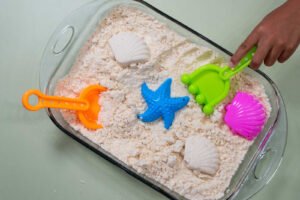

Kids can scoop, mold, and explore beach play moon sand using ocean-themed toys and sensory bin tools.
Looking for a fun beach-themed sensory activity that kids can enjoy any time of year? This Beach Play Moon Sand Sensory Bin is simple to make, budget-friendly, and provides hours of hands-on entertainment. With just three ingredients, you can create soft, moldable moon sand that looks and feels surprisingly similar to real beach sand.
Whether you’re planning a summer activity, a beach-themed preschool lesson, or simply need an engaging indoor play idea, this DIY moon sand sensory bin is sure to become a favorite. Kids can build sandcastles, bury treasures, create beach scenes, and explore different textures while strengthening important developmental skills.
Why Kids Love Moon Sand
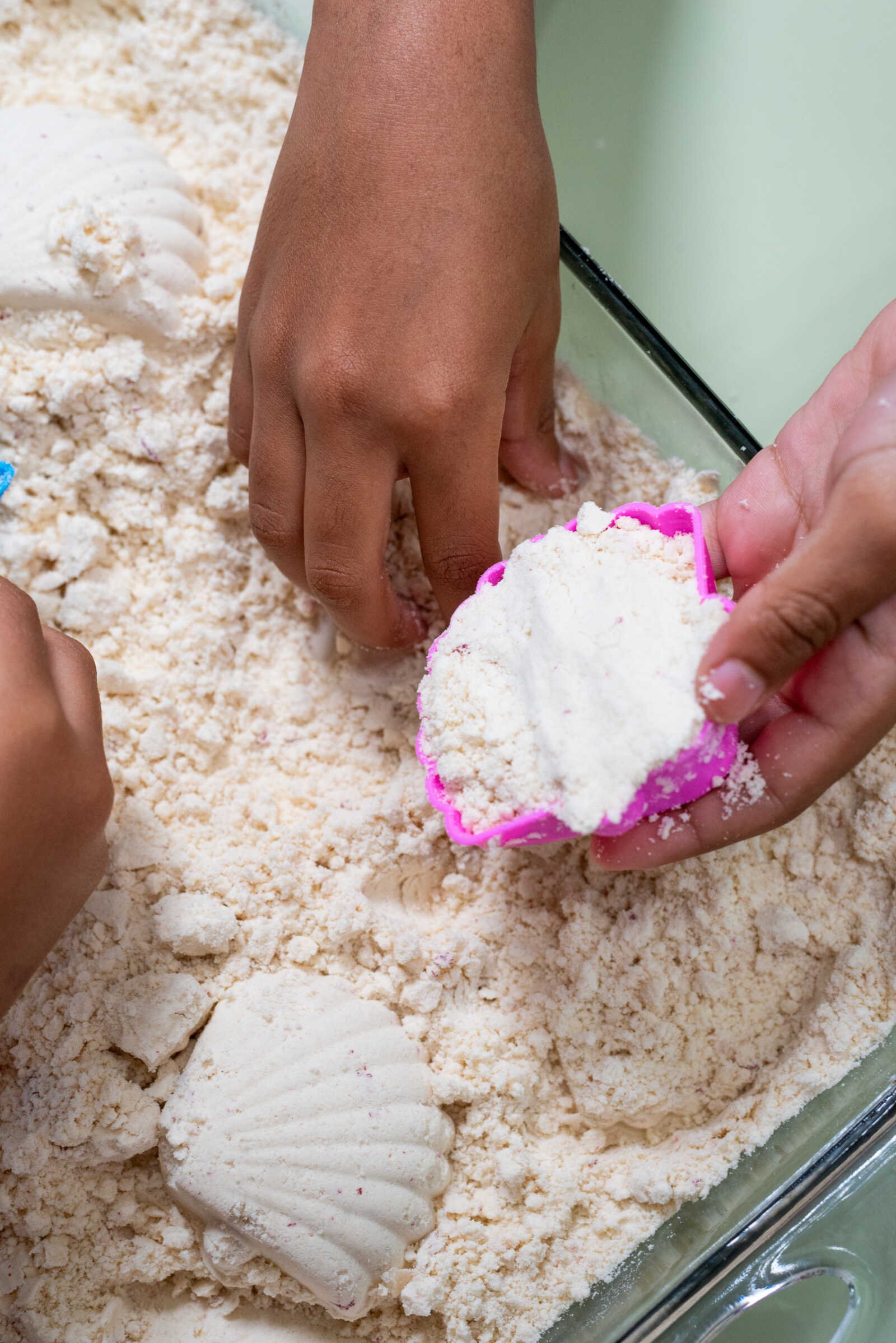
Moon sand is one of the most satisfying sensory materials for children. Unlike regular sand, it sticks together when squeezed but easily crumbles apart when touched. This unique texture makes it ideal for imaginative play and sensory exploration.
Children enjoy the soft, silky feel of moon sand as it moves through their fingers. It can be molded into shapes, scooped into buckets, flattened, and rebuilt over and over again. Because it behaves differently than traditional sand, it keeps kids curious and engaged.
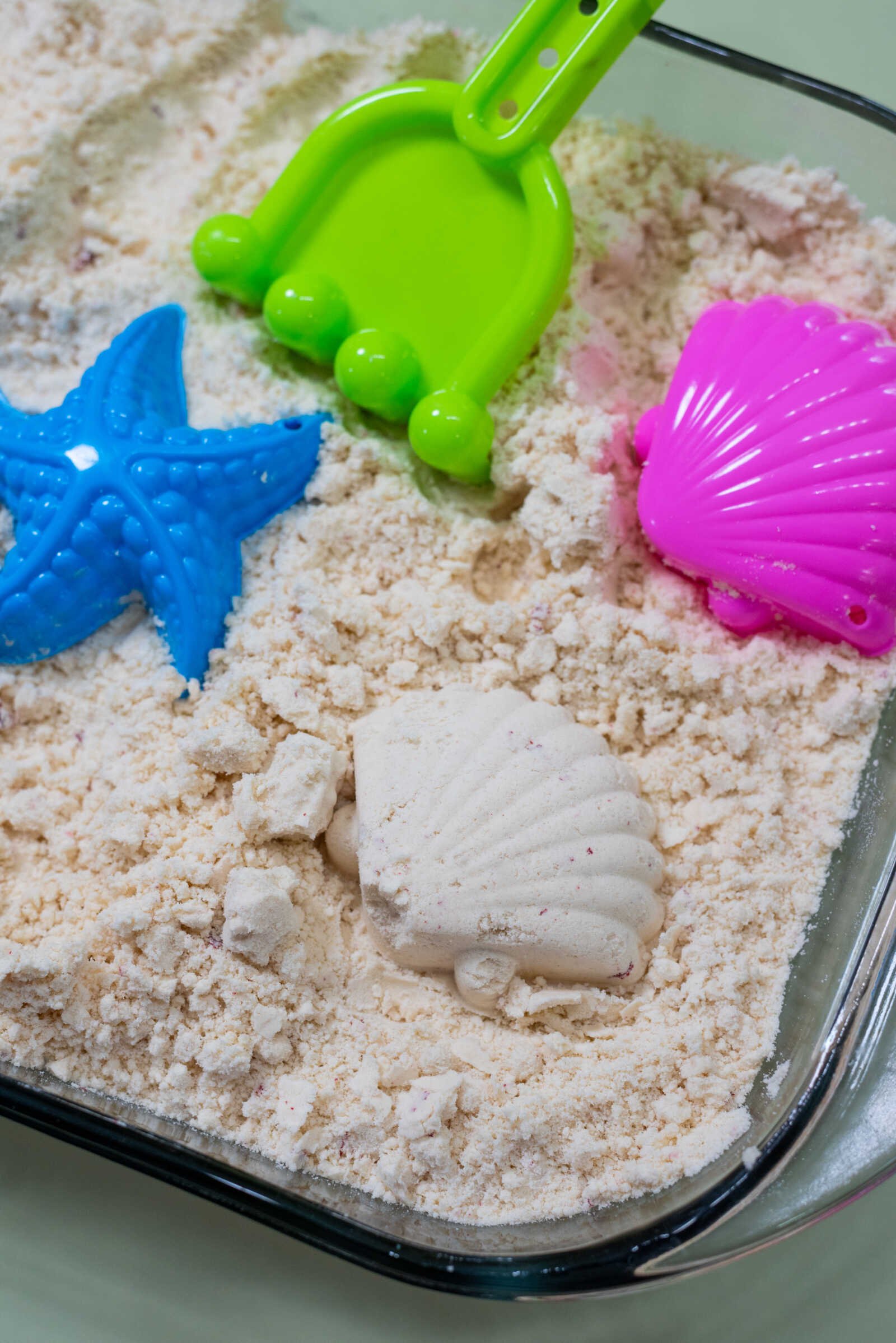
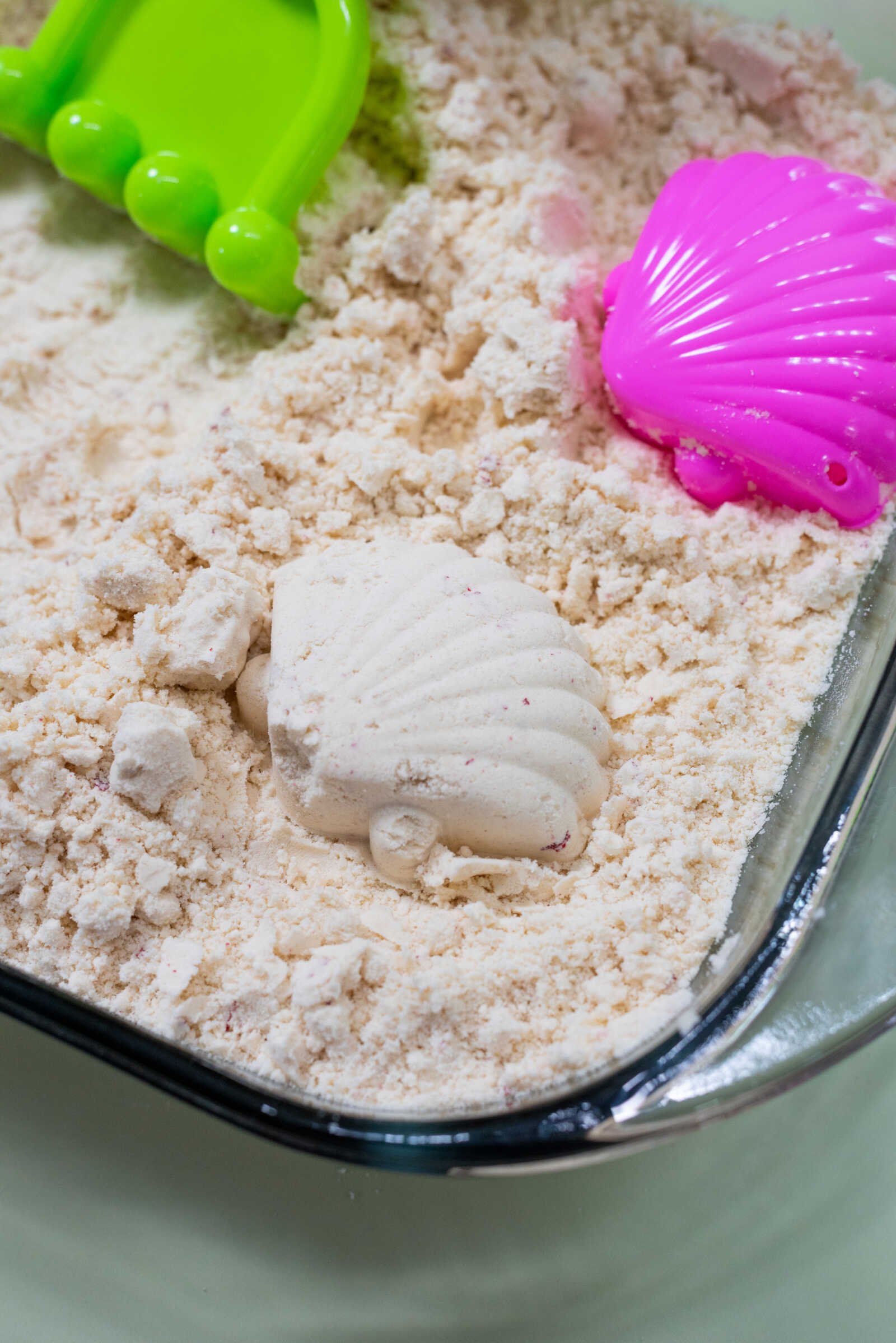
The realistic beach-inspired color in this recipe makes it especially fun when paired with seashells, toy beach buckets, mini shovels, and other coastal-themed accessories.
Benefits of Sensory Play
Sensory bins are much more than just fun activities. They provide valuable learning opportunities while encouraging independent exploration.
Fine Motor Development
Scooping, squeezing, pouring, and shaping moon sand helps strengthen the small muscles in children’s hands and fingers. These skills support future tasks such as writing, cutting with scissors, buttoning clothes, and tying shoes.
Creativity and Imagination
An open-ended sensory bin encourages creative thinking. Children can create beach scenes, build castles, hide treasures, or invent their own pretend-play adventures.
Stress Relief and Emotional Regulation
Many children find sensory play calming and relaxing. The repetitive motions of scooping, squeezing, and molding moon sand can help reduce stress and provide a soothing sensory experience.
Language Development
Sensory play naturally encourages conversation. Children describe textures, explain what they’re building, and create stories around their play experiences.
Problem-Solving Skills
As children experiment with packing, molding, and shaping the moon sand, they learn through trial and error. They discover how tightly to pack a bucket, how to create different patterns, and how to build stable structures.
Beach Play Moon Sand Sensory Bin Recipe
This simple recipe uses ingredients you may already have at home. The result is a soft, moldable sand that looks like beach sand and holds its shape beautifully.
Ingredients
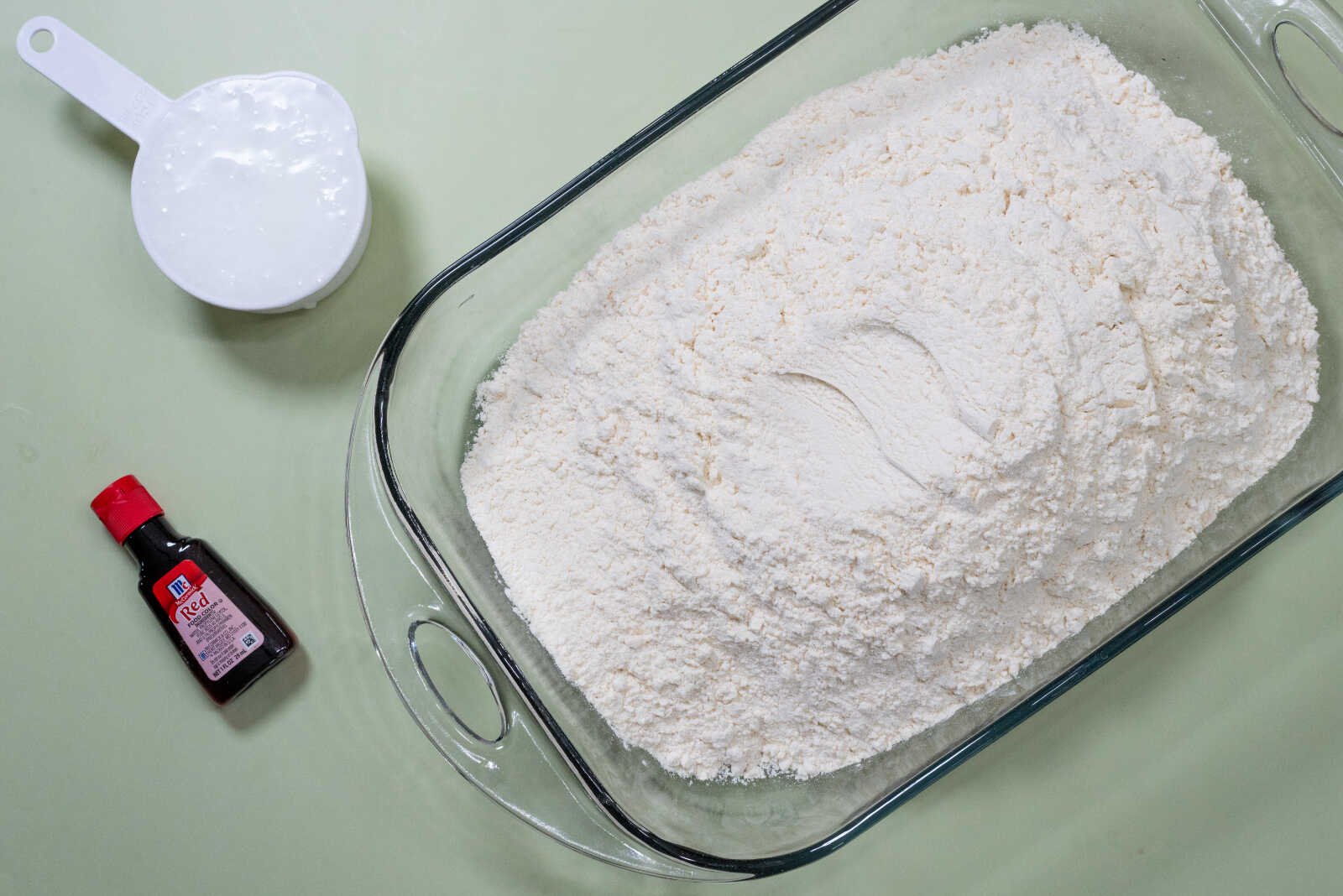
- 8 cups all-purpose flour
- 1 cup coconut oil
- 4–6 drops red food coloring
Note: If your coconut oil is solid, warm it in the microwave for a few seconds until it becomes clear and liquid.
How to Make Beach Play Moon Sand
Step 1: Start with the Flour
Measure 8 cups of all-purpose flour and pour it into a large mixing bin, bowl, or storage container.
Using a large container gives you plenty of room to mix the ingredients thoroughly without making a mess.
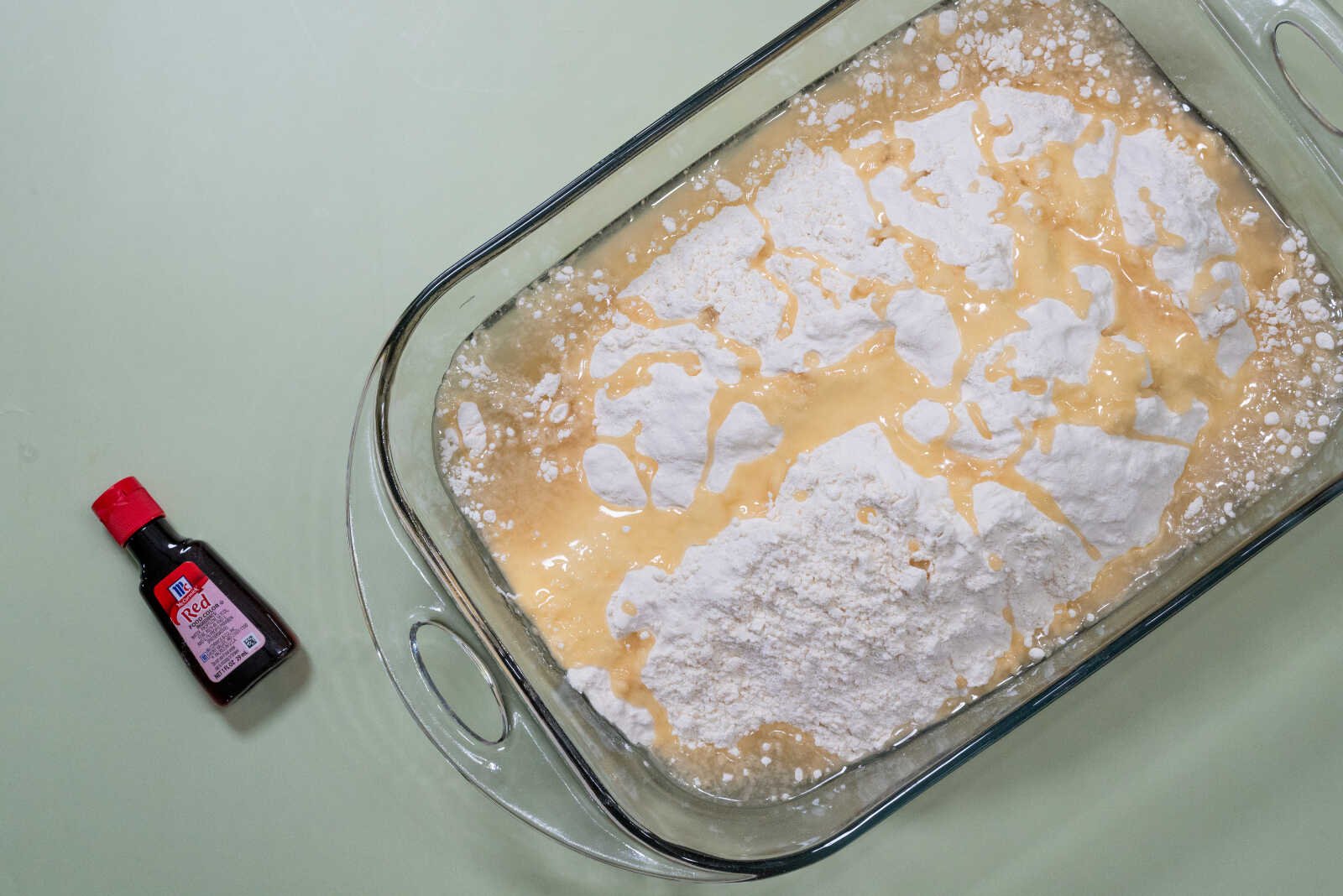
Step 2: Add the Coconut Oil
Pour 1 cup of liquid coconut oil directly over the flour.
The coconut oil is what gives moon sand its unique texture. It helps the flour bind together when squeezed while still allowing it to crumble apart easily.
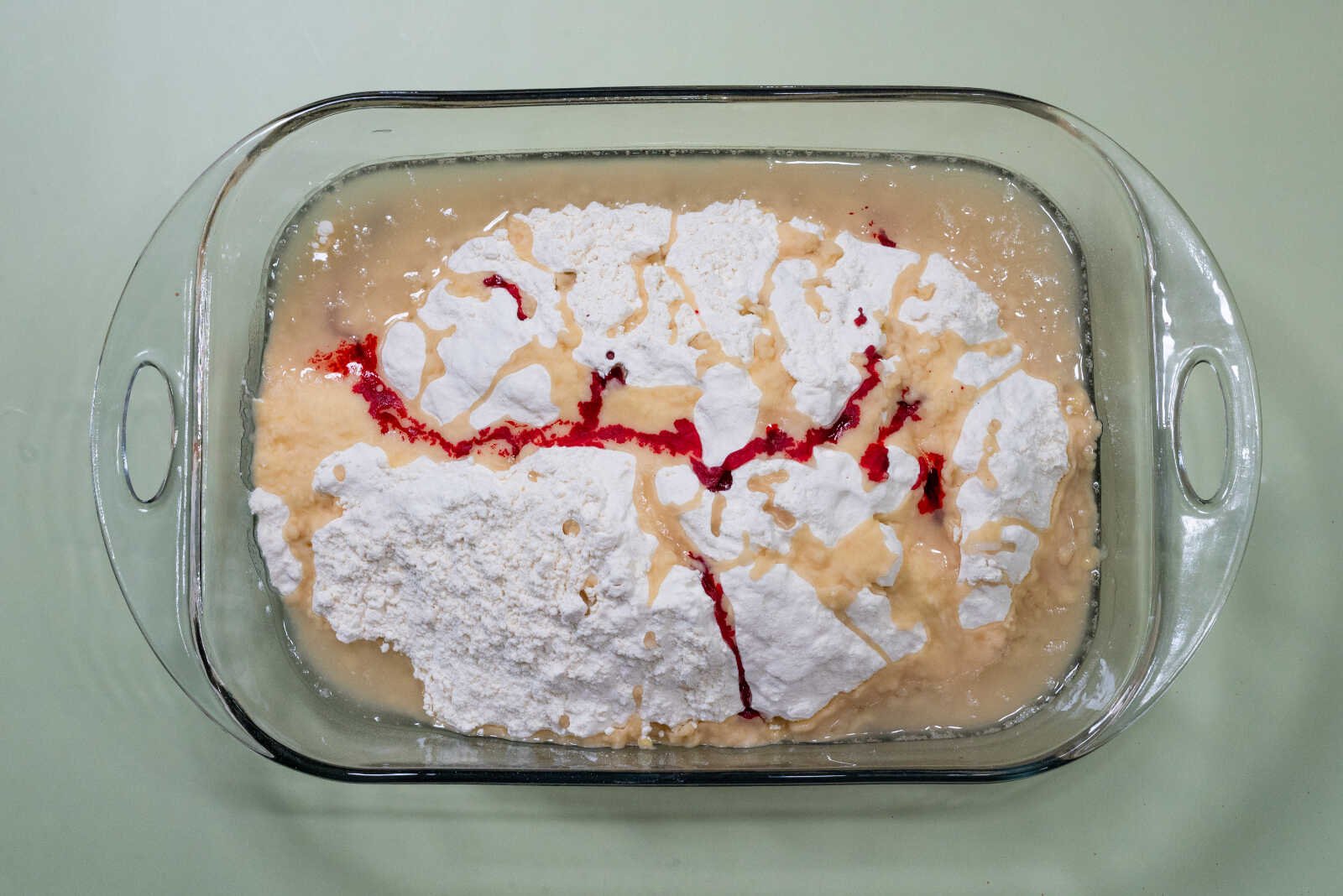
Step 3: Add the Food Coloring
Add 4–6 drops of red food coloring directly onto the flour and oil mixture.
At first, the color may look bright and uneven. Don’t worry—this is exactly what you want.
Step 4: Use the Hand-Rub Method
This is the most important step in the entire process.
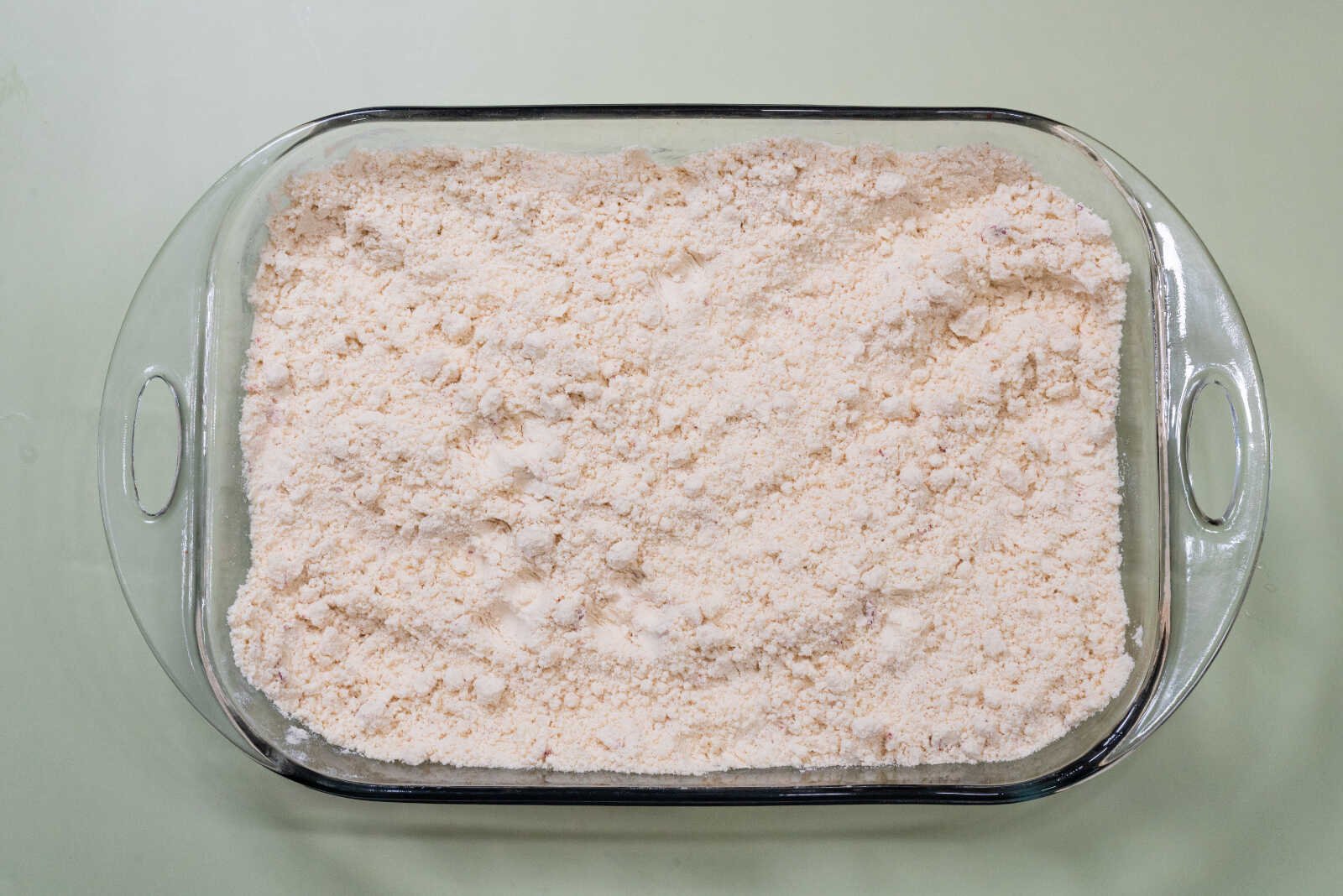
Using your hands, gently rub and massage the ingredients together. Continue mixing until the oil is evenly distributed and the food coloring disappears throughout the mixture.
The friction from your hands breaks apart the tiny droplets of food coloring and spreads them evenly through the flour. Instead of creating pink sand, it transforms the mixture into a realistic sandy beige color that looks remarkably like beach sand.
Children often enjoy helping with this step because it feels similar to squishing kinetic sand.
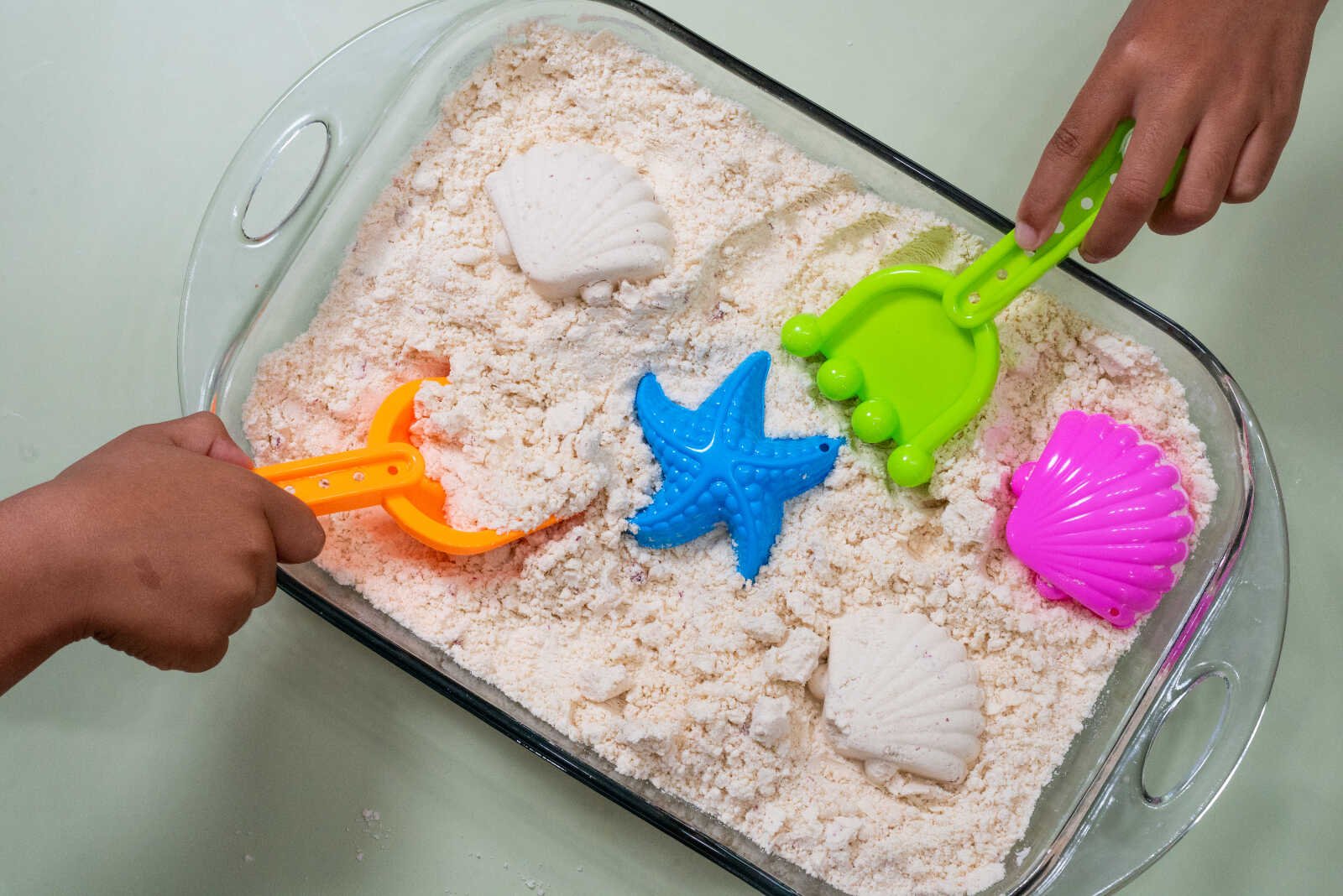
Step 5: Check the Texture
Grab a handful of moon sand and squeeze it tightly.
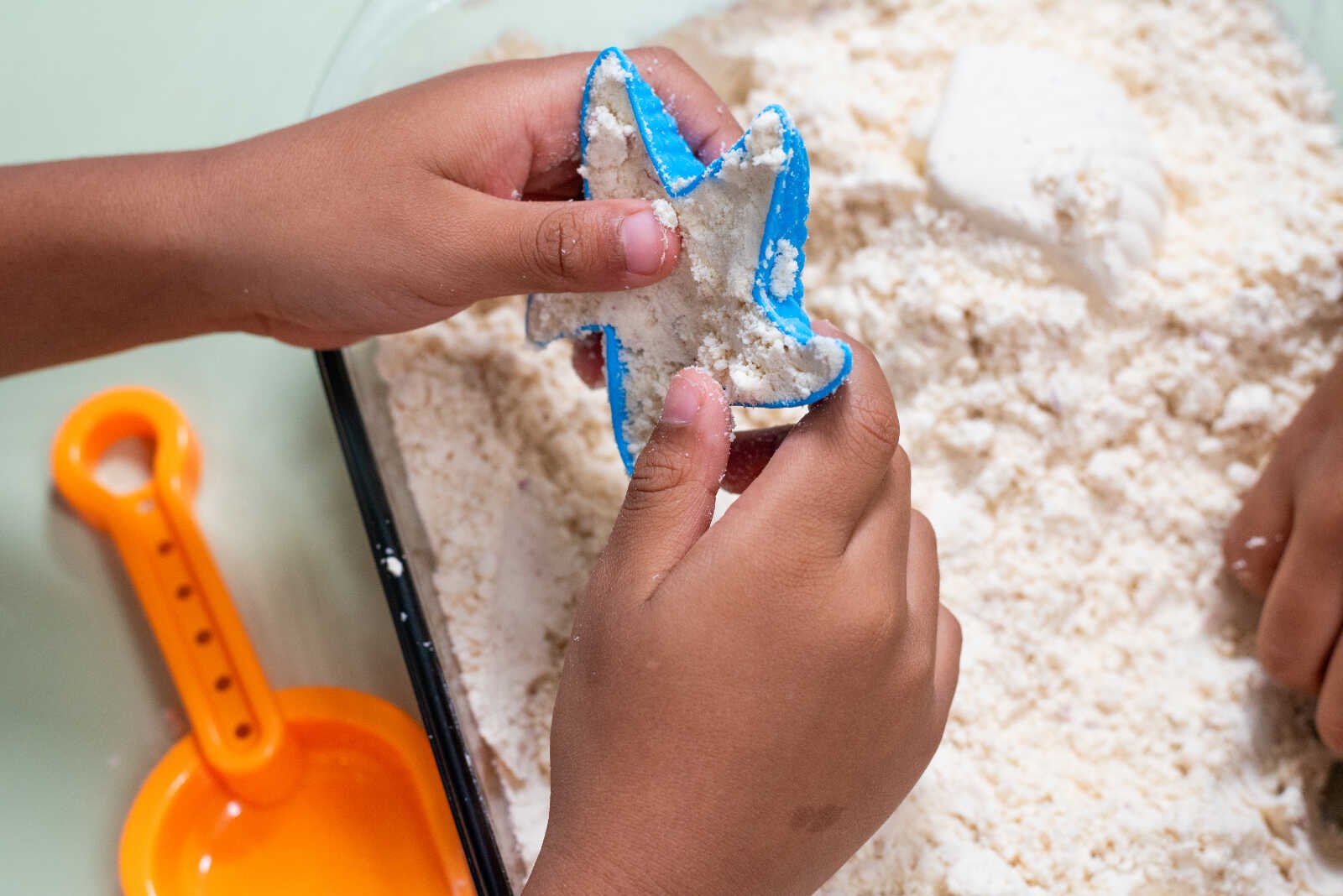
The sand should hold its shape when compressed, similar to a sandcastle mold at the beach.
Next, run your fingers through the sand. It should easily crumble back into a soft powder.
If it feels too dry, add a tiny bit more coconut oil. If it feels too sticky, add a small amount of flour until you reach the perfect consistency.
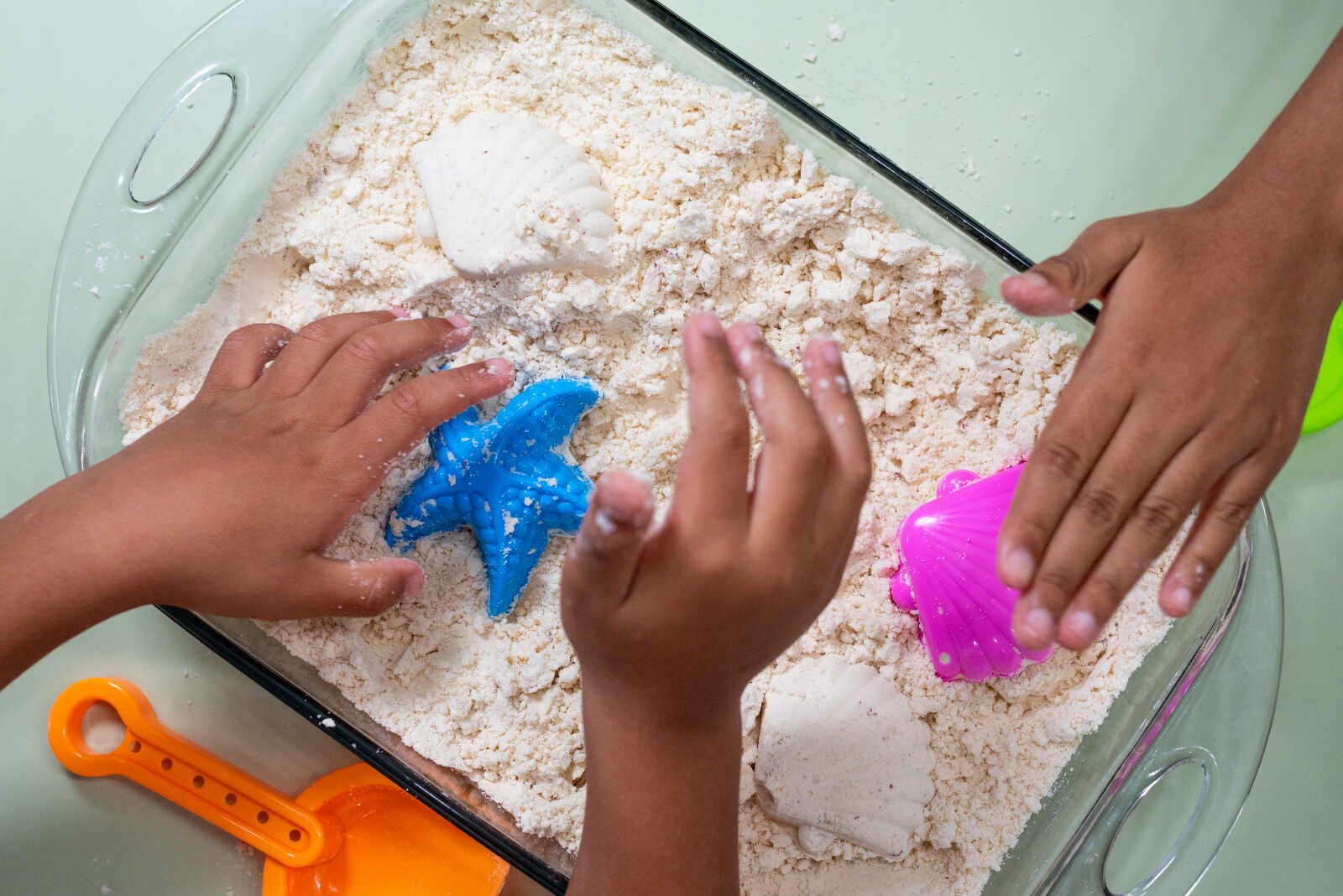
Creating the Ultimate Beach-Themed Sensory Bin
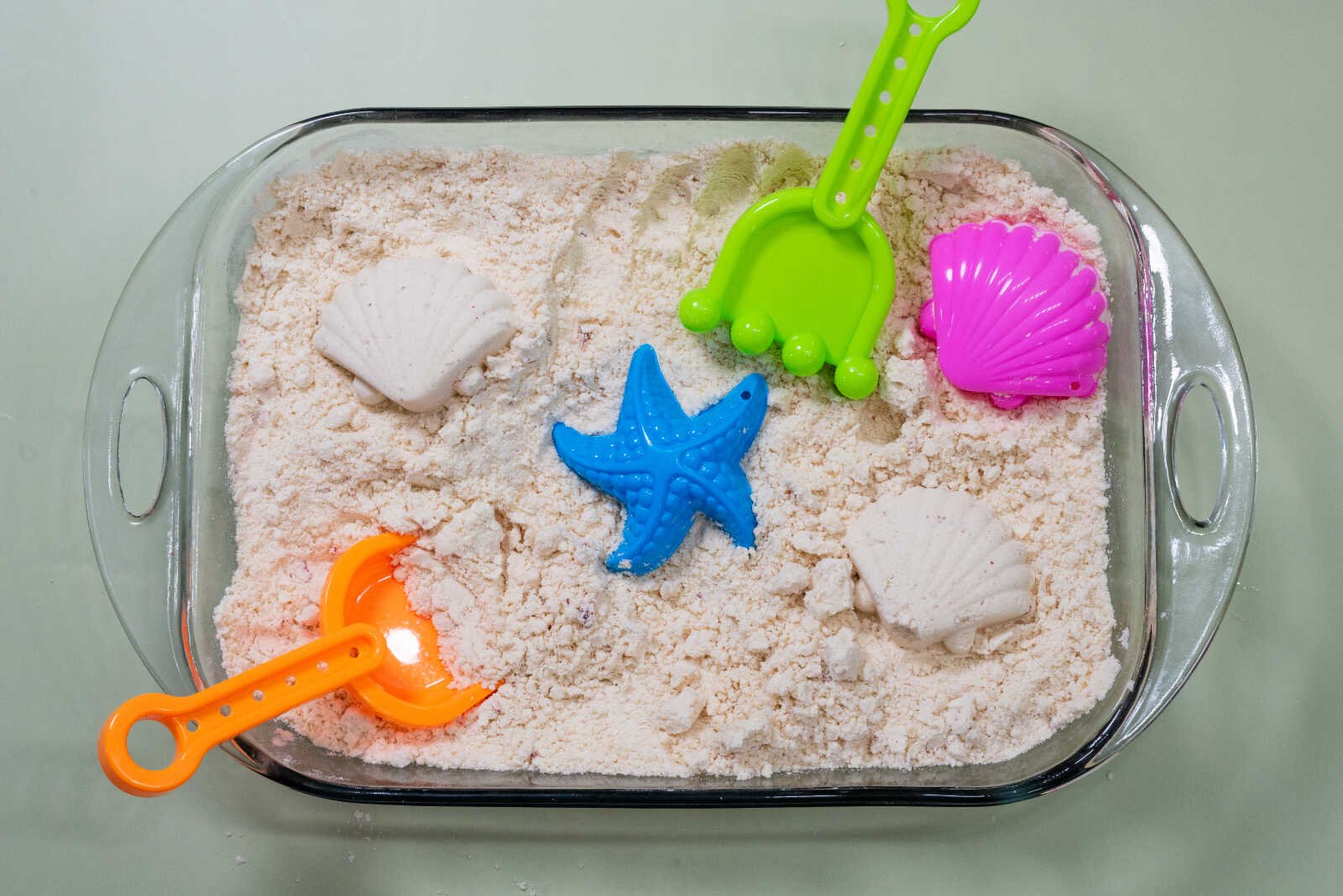
Once your moon sand is ready, it’s time to transform it into a realistic beach experience.
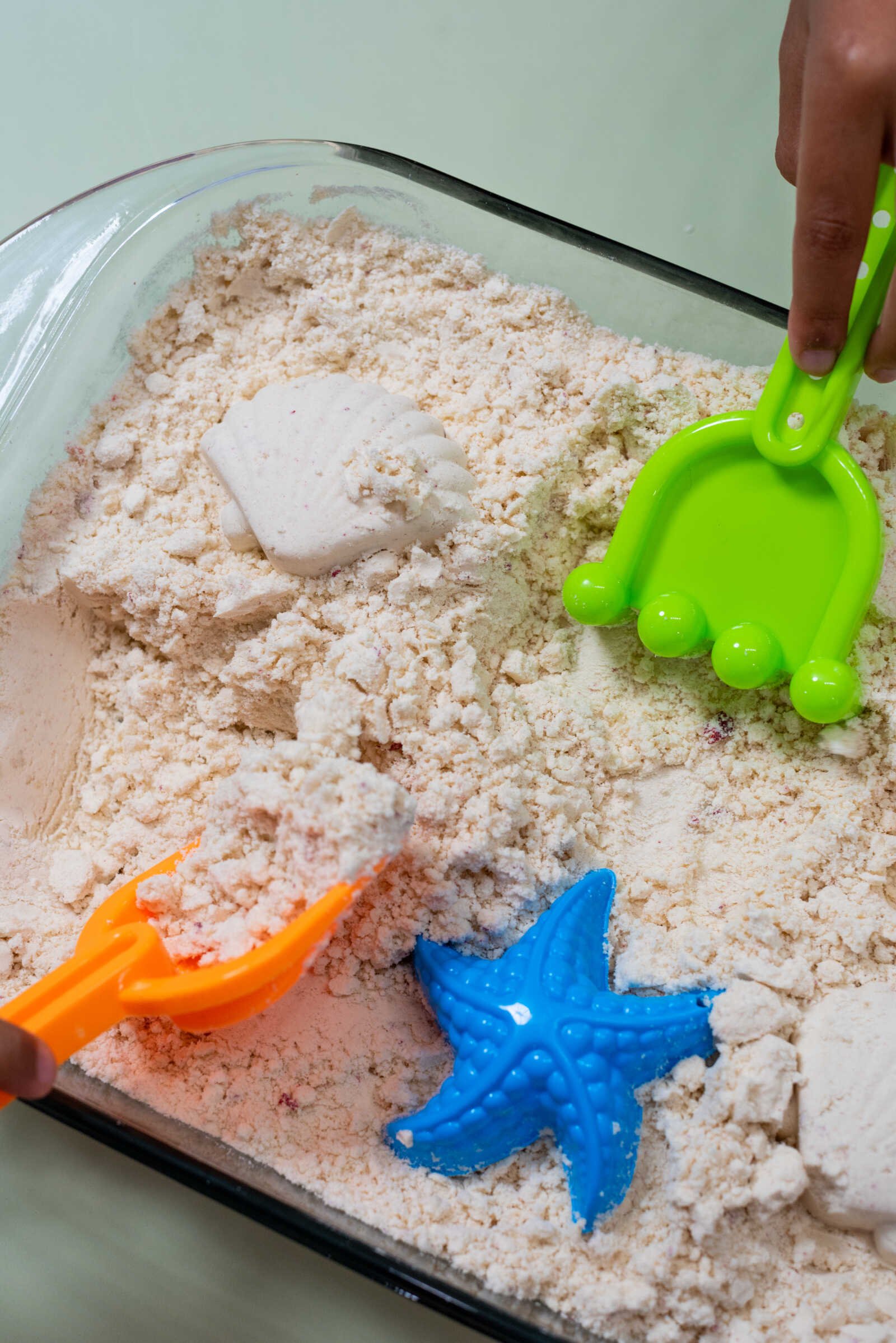
Fill a large sensory bin, plastic storage container, or shallow tray with the moon sand. Then add beach-themed accessories to encourage imaginative play.
Some fun additions include:
- Seashells
- Small toy crabs
- Mini beach buckets
- Toy shovels
- Sand molds
- Plastic sea animals
- Toy boats
- Small rocks
- Driftwood pieces
- Beach-themed figurines
These simple additions instantly turn the moon sand into a miniature beach playground.
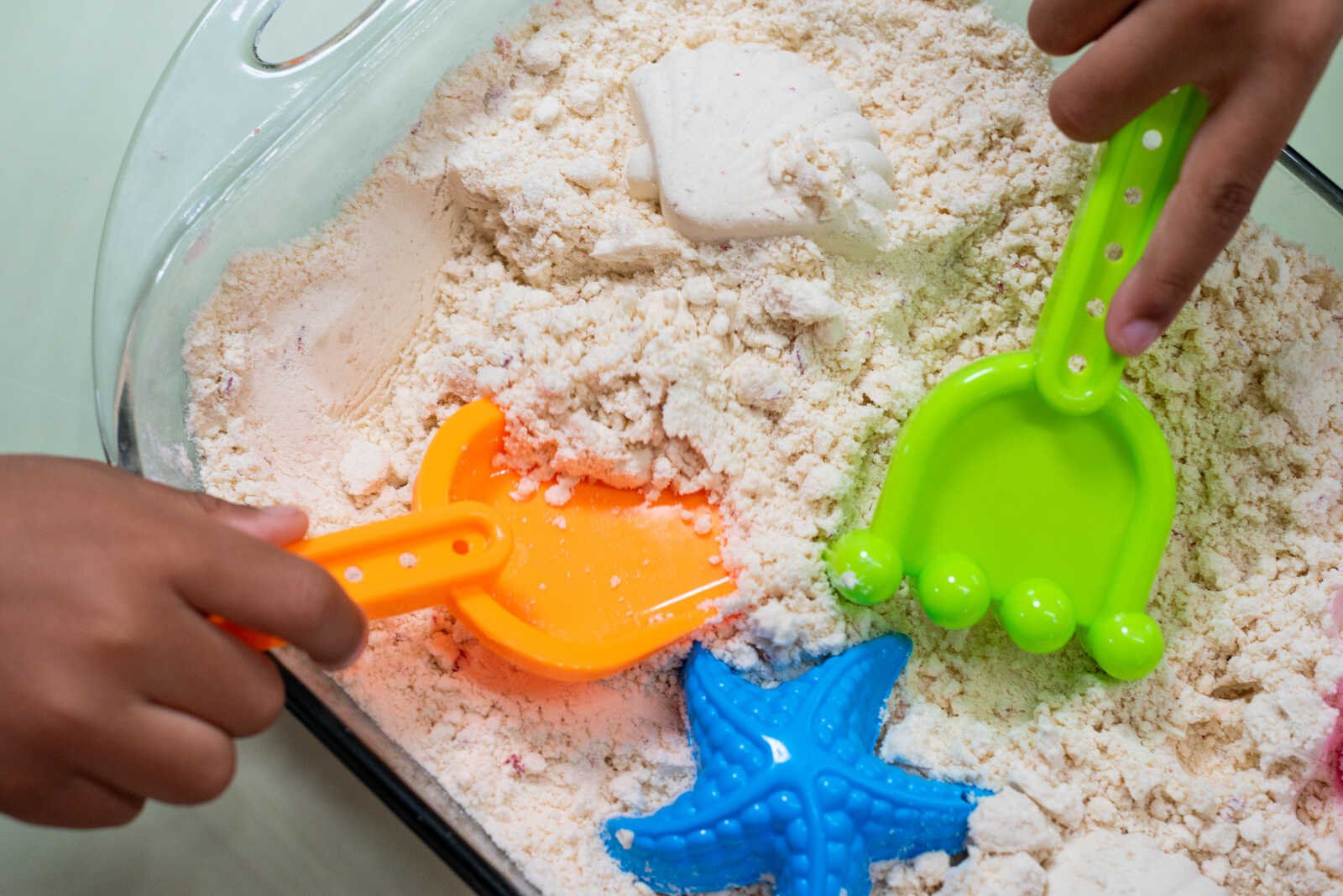
The Beach Experience
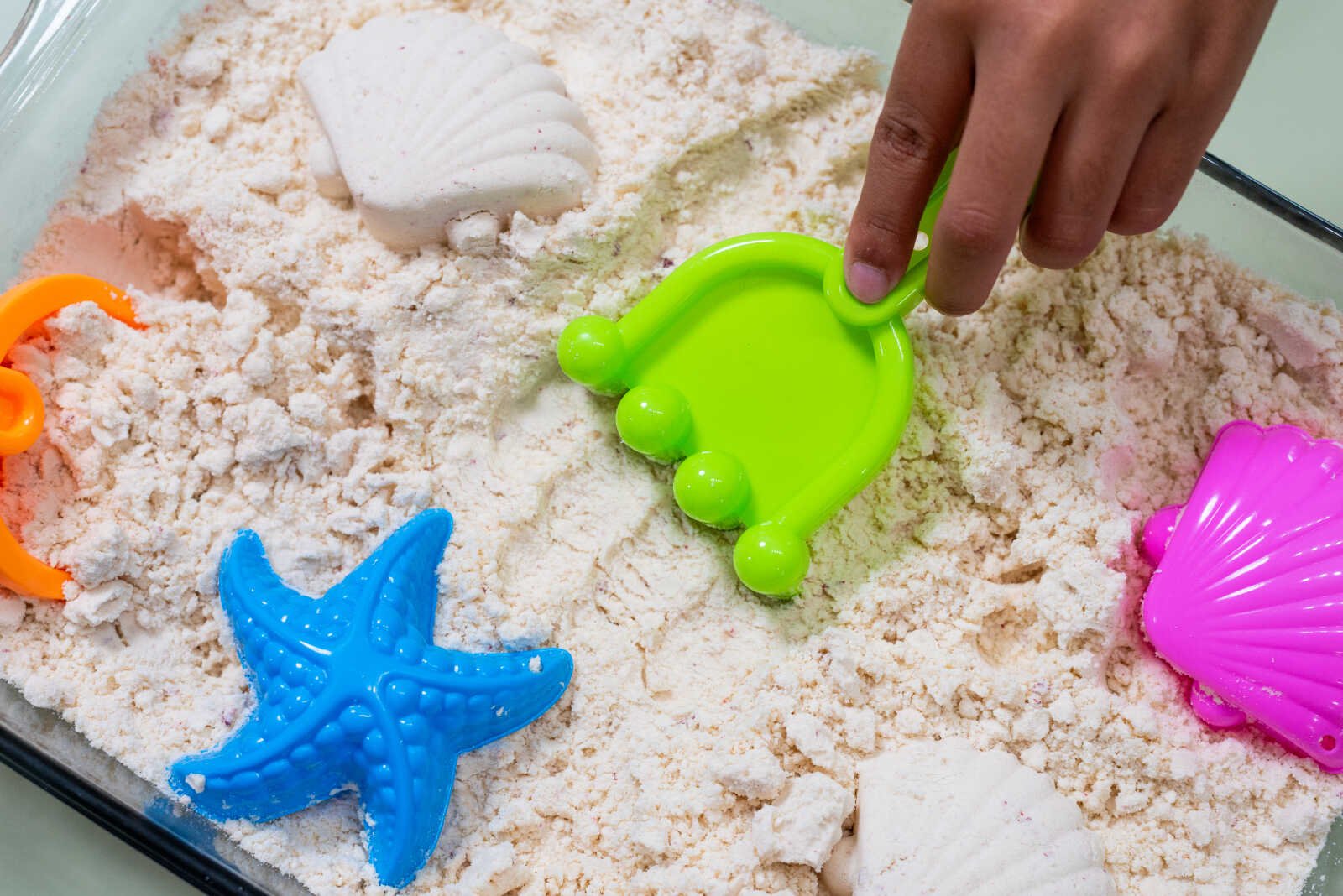
The realistic beige color created by the flour, coconut oil, and food coloring combination makes this sensory bin especially fun with beach toys.
Try these engaging activities to get the most out of your moon sand.
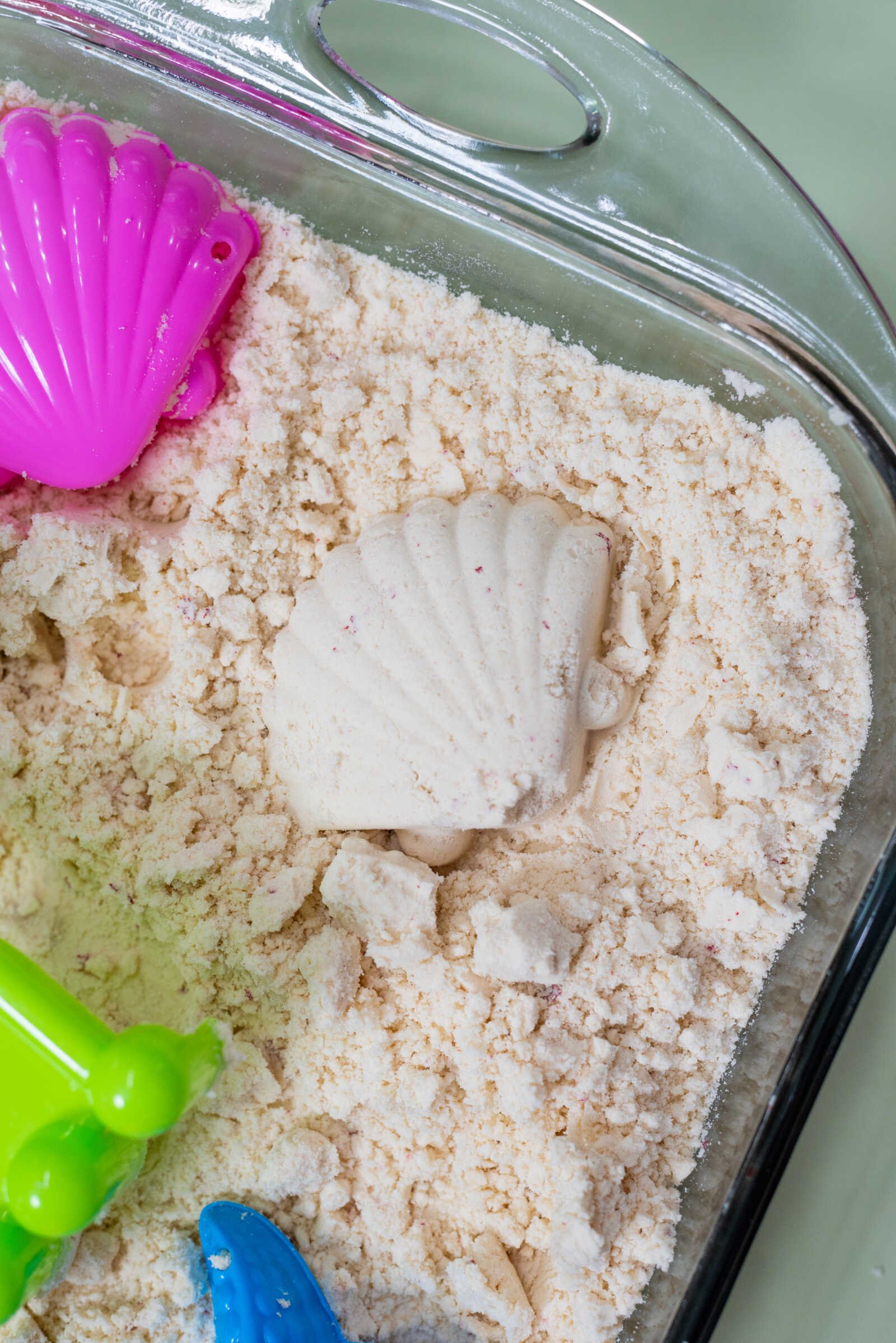
Bucket Castles
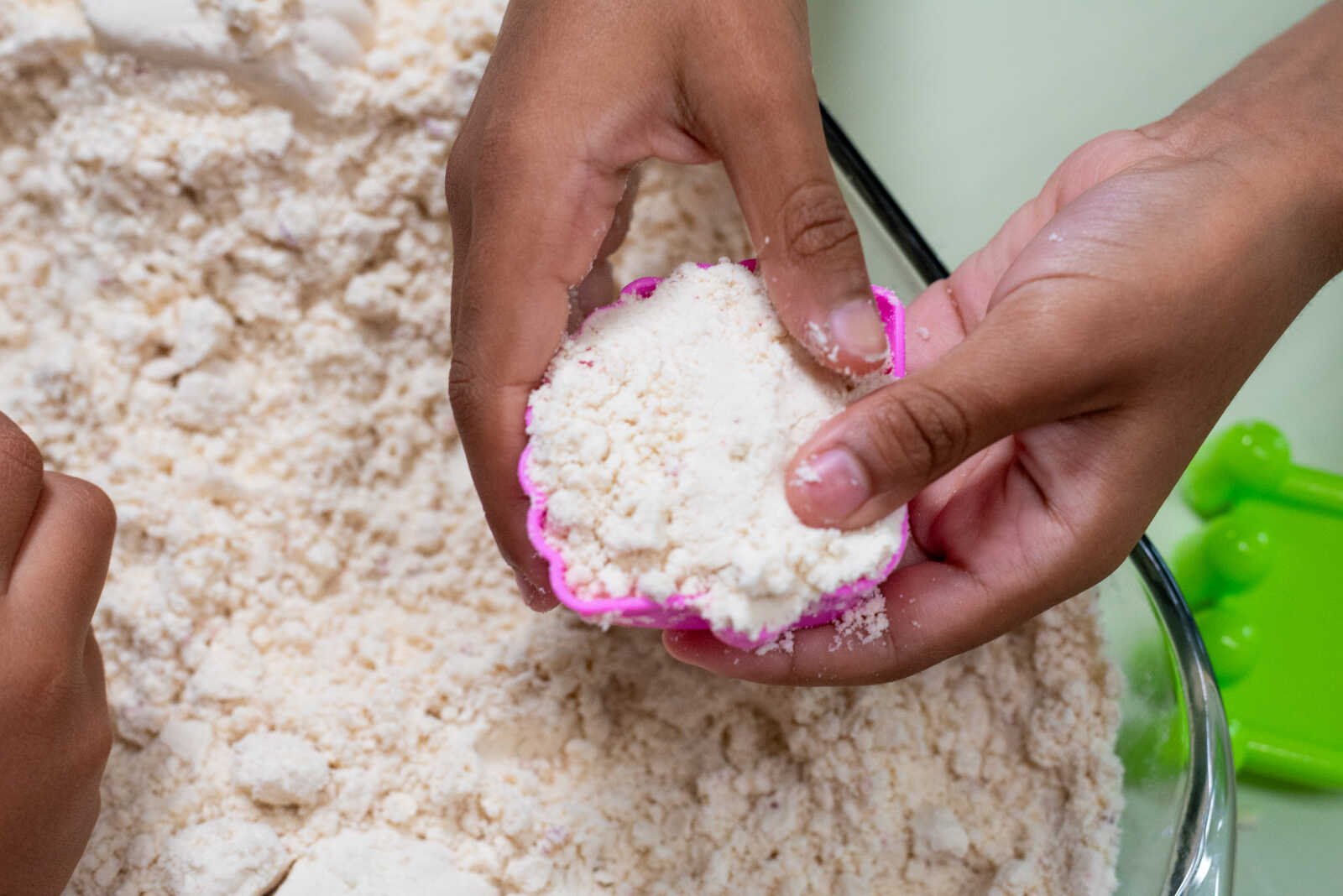
Pack the moon sand firmly into a small bucket or sand mold.
Flip it over carefully and lift the bucket away.
Kids will love seeing the crisp edges and detailed shapes that hold together just like real sandcastles.
Challenge children to build entire sandcastle villages complete with towers, walls, and roads.
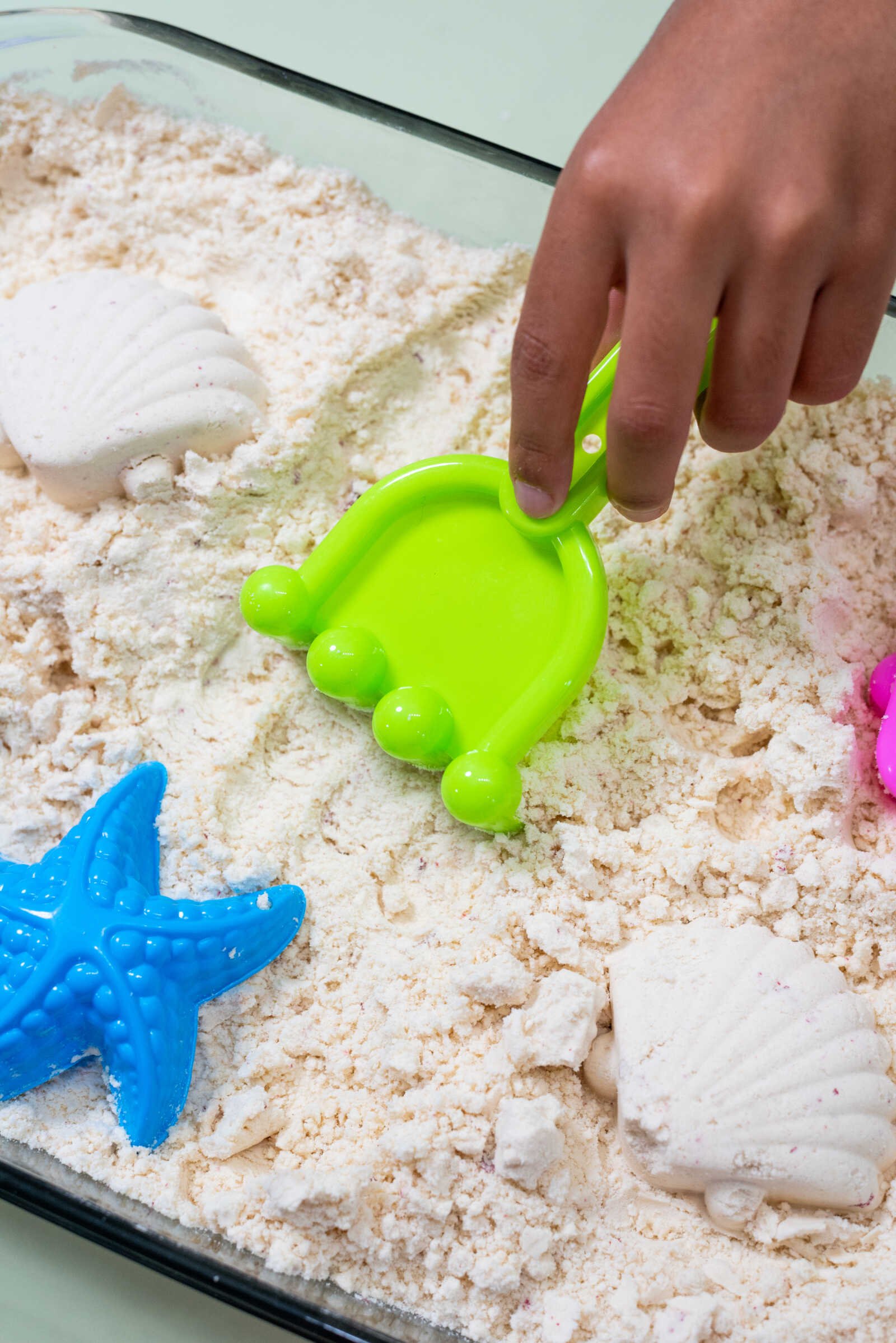
Raking Waves
Use a small plastic rake to create wave patterns across the surface of the sand.
Children can experiment with different designs, creating ripples, zigzags, and beach-like textures.
This simple activity encourages creativity while strengthening fine motor skills.
Shell Dig
Hide seashells, toy sea creatures, or small treasures throughout the moon sand.
Give children a small shovel or scoop and let them search for hidden objects.
This sensory scavenger hunt adds excitement while encouraging exploration and problem-solving.
Build a Mini Beach
Create a complete beach scene using the moon sand as the shoreline.
Add toy people, beach umbrellas, mini towels, and small boats to inspire imaginative storytelling.
Children can pretend they are on vacation, building sandcastles and searching for seashells.
Ocean Animal Habitat
Add plastic sea animals such as turtles, dolphins, whales, and crabs.
Kids can create underwater habitats and invent stories about marine life.
This activity can also be incorporated into ocean-themed learning units.
Educational Extensions
This beach sensory bin can easily become a learning activity.
Counting Practice
Hide numbered shells or objects throughout the sand.
Have children find and count each item.
Letter Hunt
Bury plastic alphabet letters and encourage children to identify them as they uncover them.
You can also practice spelling simple words.
Sorting Activities
Provide shells of different sizes, colors, or shapes.
Ask children to sort them into categories as they dig through the sand.
Science Exploration
Discuss how real sand forms through weathering and erosion.
Compare the texture of moon sand to actual beach sand and encourage observations.
Tips for Sensory Play Success
To make your sensory bin experience enjoyable and stress-free, consider these helpful tips.
Use a Large Container
A large sensory bin helps contain the mess while providing plenty of room for play.
Place a Mat Underneath
A washable mat or tablecloth underneath the bin makes cleanup easier.
Encourage Open-Ended Play
Allow children to explore freely without specific instructions. Some of the best learning happens when kids guide their own play experiences.
Supervise Younger Children
Although this recipe uses simple household ingredients, it is intended for sensory play rather than eating.
Always supervise young children during playtime.
Storage and Care
One of the best things about moon sand is that it can be used again and again.
Store your moon sand in:
- An airtight container
- A large sealed plastic bag
- A storage bin with a secure lid
Proper storage helps prevent the sand from drying out and keeps it ready for future play sessions.
If the moon sand feels slightly firm after sitting in a cool room, don’t worry.
Simply allow children to play with it for a minute or two. The warmth from their hands will soften the coconut oil and quickly restore the original texture.
With proper care, your moon sand can provide weeks of sensory fun.
Final Thoughts
This Beach Play Moon Sand Sensory Bin is an easy, inexpensive activity that brings the fun of the beach indoors. The soft, moldable texture offers endless opportunities for creativity, sensory exploration, and imaginative play.
Whether children are building bucket castles, digging for hidden shells, creating ocean habitats, or simply enjoying the satisfying texture, this sensory bin delivers hours of hands-on entertainment.
Best of all, it only takes a few minutes to make using ingredients you likely already have at home. Create a beach-themed sensory experience today and watch your little ones dive into a world of imaginative play.