
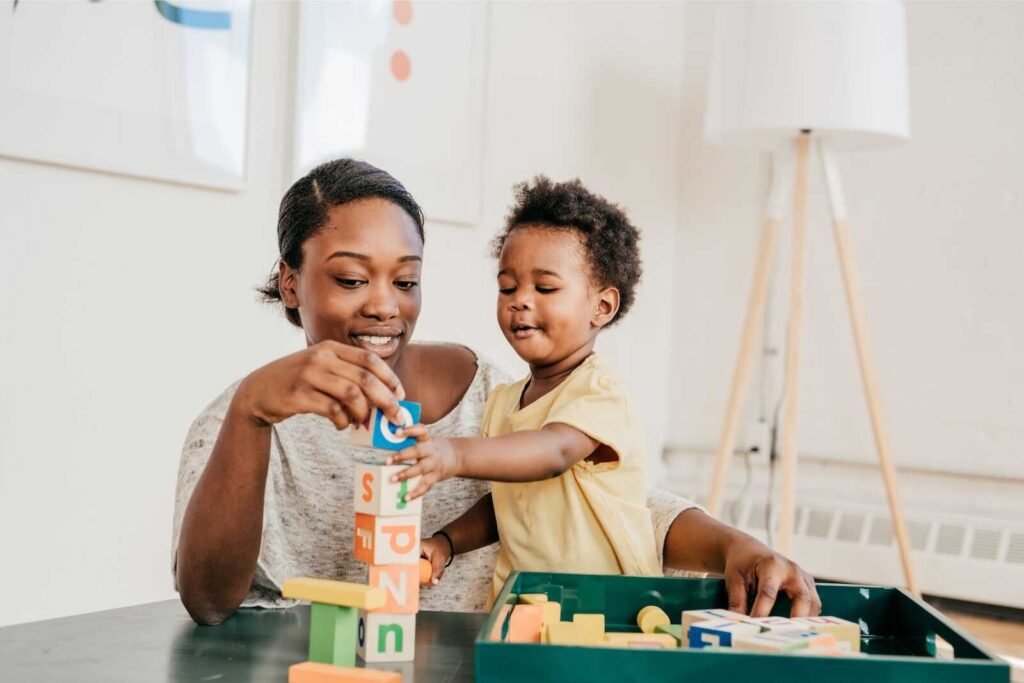
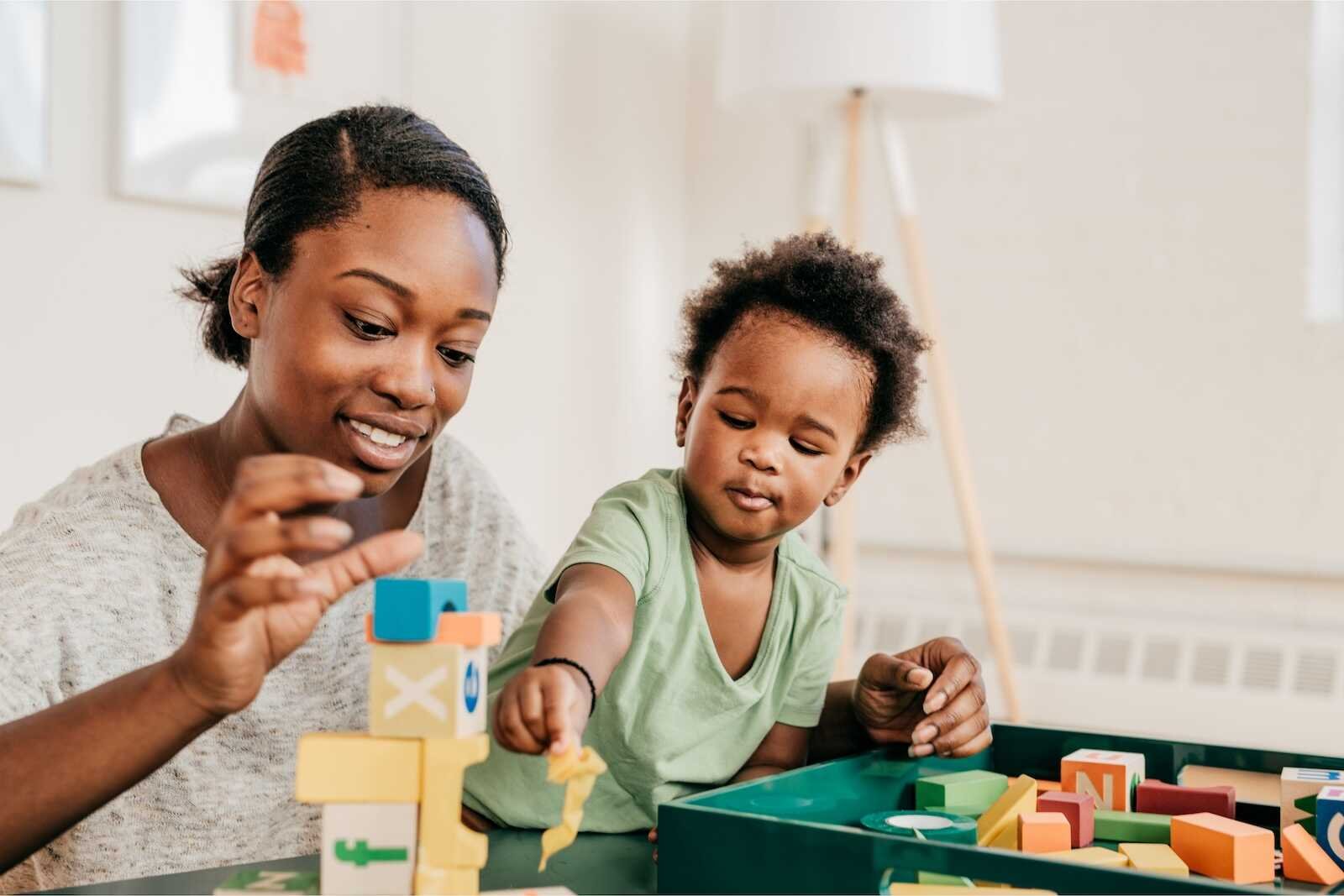
A parent and toddler stack colorful alphabet blocks together, enjoying interactive brain games for 2 year olds that encourage learning through play.
Toddlers are naturally curious. At two years old, their brains are developing at an incredible pace, making it the perfect time to introduce simple activities that encourage thinking, problem-solving, and creativity. Brain games for 2 year olds don’t have to be complicated or expensive. In fact, many of the best games use everyday objects, simple puzzles, and playful interaction.
The goal of these games is not academic pressure. Instead, they help strengthen memory, focus, language development, motor skills, and early problem-solving abilities while your toddler has fun. When learning feels like play, children naturally stay engaged and curious.
In this guide, we’ll explore why brain games are important for toddlers, what skills they support, and the best brain games for 2 year olds that parents can easily play at home.
Table of Contents
Why Brain Games Are Important for 2 Year Olds
At age two, a child’s brain is forming millions of new neural connections every second. These connections grow stronger when toddlers interact with their environment through movement, exploration, and play.
Brain games support several key developmental areas:
Cognitive Development
Brain games help toddlers learn how to think, explore, and solve simple problems. Activities like matching, sorting, and stacking help build early reasoning skills.
Language Development
Games that involve naming objects, repeating words, or describing actions help expand vocabulary and communication skills.
Memory Skills
Simple games that involve remembering locations, colors, or objects strengthen short-term memory.
Fine Motor Skills
Picking up small objects, stacking blocks, and manipulating puzzle pieces help improve hand-eye coordination.
Emotional Confidence
When toddlers successfully complete a game or solve a small challenge, they gain confidence and a sense of accomplishment.
The best brain games for 2 year olds combine learning and play in a way that feels natural and exciting.
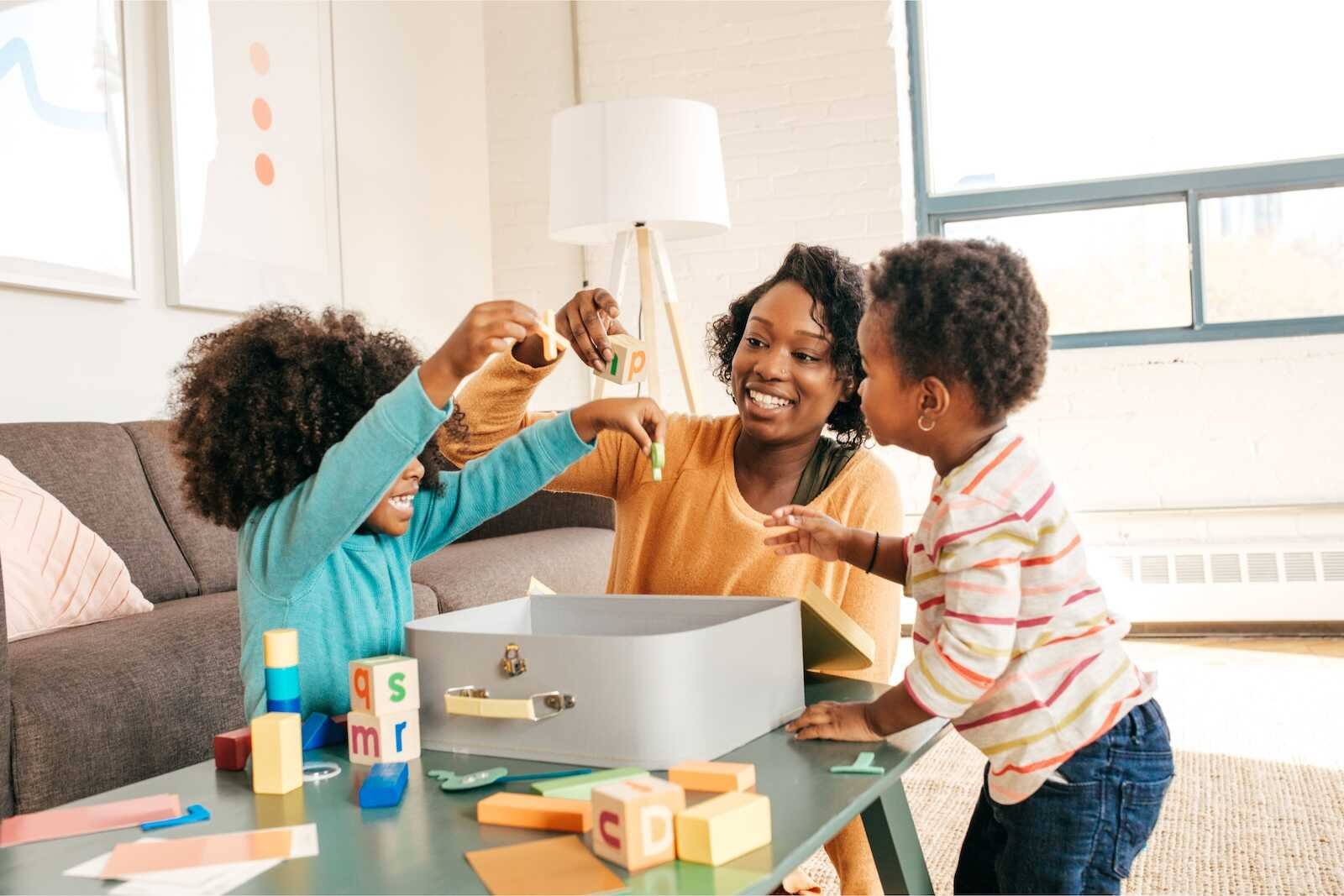
15 Brain Games for 2 Year Olds
Here are some simple and effective games you can start today.
1. Shape Sorting Game
Shape sorting toys are classic toddler brain games because they teach problem-solving and shape recognition.
Give your child a shape sorter with circles, squares, and triangles. Encourage them to match the shape with the correct hole.
You can also make a DIY version using cardboard and cut-out shapes.
Skills developed:
- Spatial reasoning
- Shape recognition
- Hand-eye coordination
2. Color Matching Game
Color matching is one of the easiest brain games for 2 year olds and helps build early visual recognition skills.
Place colored objects on the table such as blocks, toy cars, or balls. Then ask your toddler to match items with the same color.
Example prompts:
- “Can you find something red?”
- “Let’s match the blue toys together!”
Skills developed:
- Color recognition
- Sorting skills
- Visual memory
3. Animal Sound Guessing Game
Toddlers love animals, which makes this a fun and engaging brain game.
Make an animal sound and ask your toddler to guess which animal it is.
Example:
- “Moo!”
- “Which animal says moo?”
You can also reverse the game and ask your child to make the sound.
Skills developed:
- Listening skills
- Language development
- Memory recall
4. Stacking Cups Challenge
Stacking cups or blocks may look simple, but they are excellent brain development tools.
Ask your toddler to build a tower using cups or blocks and see how high they can go.
Then challenge them to knock it down and build it again.
Skills developed:
- Motor planning
- Cause and effect understanding
- Problem solving
5. Simple Puzzle Time
Large wooden puzzles with big pieces are perfect brain games for 2 year olds.
Look for puzzles with:
- Animals
- Shapes
- Vehicles
- Letters
Start with puzzles that have only a few pieces and gradually increase difficulty.
Skills developed:
- Logical thinking
- Fine motor coordination
- Spatial awareness
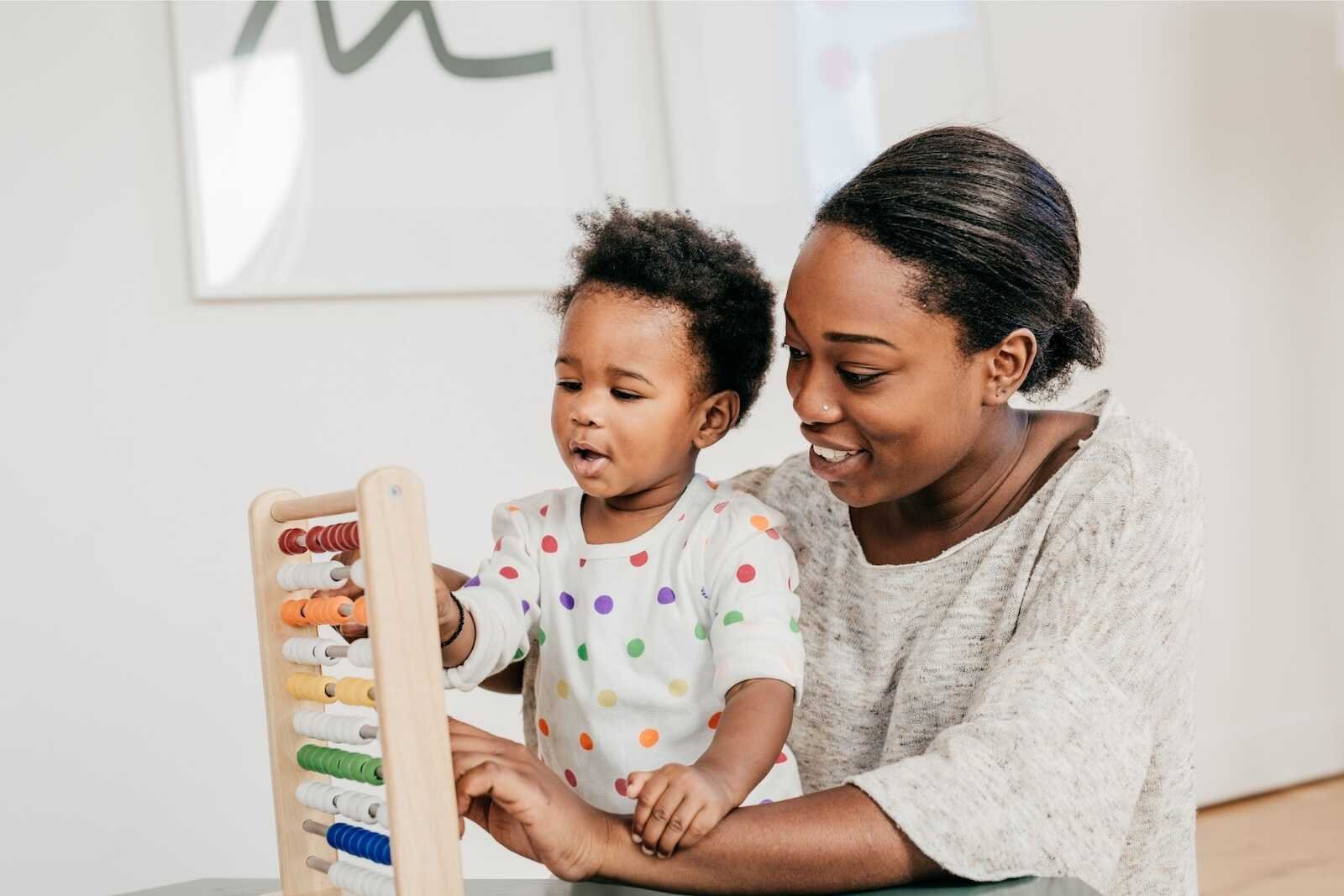
6. Hide and Find Toy Game
This simple game strengthens memory and object permanence.
Hide a toy under a cup or small blanket and ask your toddler where it went.
You can also hide toys around the room and let your child search for them.
Skills developed:
- Memory skills
- Problem solving
- Observation
7. Follow the Leader
Follow the Leader is a movement-based brain game.
Perform simple actions and encourage your toddler to copy you.
Examples:
- Clap hands
- Spin in a circle
- Jump
- Touch your nose
Skills developed:
- Listening skills
- Body awareness
- Focus
8. Matching Cards Game
Matching games help strengthen memory and attention.
Use simple toddler flashcards with pictures of animals, fruits, or shapes. Place two matching cards and ask your toddler to pair them.
Skills developed:
- Memory
- Pattern recognition
- Concentration
9. Sorting Game with Household Objects
You don’t need special toys for brain games.
Try sorting everyday objects such as:
- Socks
- Plastic spoons
- Toy animals
- Building blocks
Ask your child to group similar items together.
Skills developed:
- Categorization
- Visual recognition
- Logical thinking
10. Musical Freeze Game
Music games are fantastic brain boosters.
Play music and let your toddler dance. When the music stops, everyone must freeze.
This game helps toddlers practice control and attention.
Skills developed:
- Listening
- Self-control
- Coordination
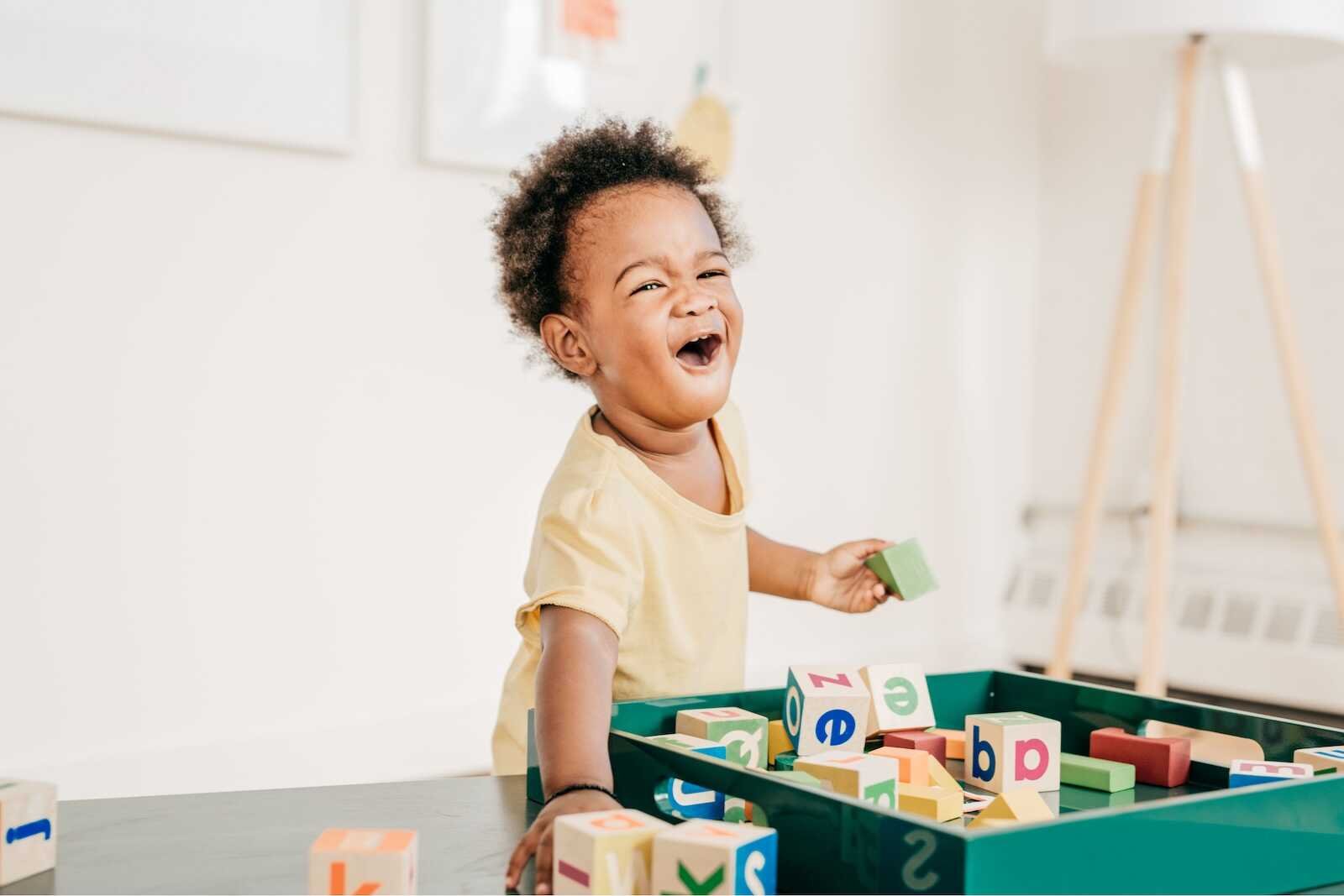
11. Story Building Game
Encourage imagination by creating simple stories together.
Start with a sentence like:
“Once there was a little puppy…”
Then ask your toddler what happens next.
Skills developed:
- Language development
- Creativity
- Memory
12. Texture Guessing Game
Fill a box with different textures such as:
- Cotton balls
- Soft fabric
- Wooden blocks
- Plastic toys
Let your toddler reach inside and guess what they feel.
Skills developed:
- Sensory awareness
- Vocabulary building
- Curiosity
13. Object Naming Game
Point to objects around the room and ask your toddler to name them.
You can also ask:
- “What color is it?”
- “What sound does it make?”
This is one of the easiest brain games for 2 year olds to play anytime.
Skills developed:
- Vocabulary growth
- Observation
- Memory
14. Building Blocks Challenge
Blocks are one of the best toys for brain development.
Encourage your toddler to build simple shapes such as:
- Towers
- Bridges
- Houses
You can also challenge them to copy your structure.
Skills developed:
- Problem solving
- Creativity
- Spatial reasoning
15. Simon Says (Toddler Version)
Simplify the classic game for toddlers.
Give easy commands such as:
- “Simon says clap!”
- “Simon says jump!”
Occasionally give a command without saying “Simon says” and see if they notice.
Skills developed:
- Listening
- Attention
- Memory
Tips for Playing Brain Games with Toddlers
When playing brain games for 2 year olds, the goal is engagement, not perfection.
Keep Activities Short
Toddlers have short attention spans. Aim for games that last about 5–10 minutes.
Follow Your Child’s Interest
If your child enjoys animals, incorporate animal toys into games.
Use Positive Encouragement
Celebrate effort, not just success. Saying “Great try!” builds confidence.
Repeat Games Often
Toddlers learn through repetition. Playing the same game multiple times helps reinforce skills.
Make It Fun
If a game feels frustrating, switch activities. Learning should feel playful.
Screen-Free Brain Games for 2 Year Olds
While educational apps exist, toddlers benefit most from hands-on interaction.
Screen-free brain games help toddlers:
- Develop stronger social skills
- Improve motor coordination
- Strengthen parent-child bonding
- Encourage imaginative play
Simple physical games often provide more developmental benefits than passive screen time.
Signs Your Toddler Is Learning Through Brain Games
You may notice several positive signs as your child plays these activities.
Examples include:
- Increased curiosity
- Improved vocabulary
- Better memory recall
- Stronger problem-solving skills
- Longer attention span
These milestones show that brain games for 2 year olds are supporting healthy development.
Creating a Daily Brain Game Routine
Incorporating brain games into your toddler’s daily routine can be simple.
Example routine:
Morning
- Color matching game
- Animal sound game
Afternoon
- Puzzle time
- Block building
Evening
- Storytelling game
- Hide and find toy game
Just a few minutes of play each day can make a big difference.
Best Toys That Encourage Brain Development
If you’re looking for toys that support learning, consider:
- Wooden puzzles
- Shape sorters
- Building blocks
- Musical instruments
- Stacking cups
- Sensory toys
These toys naturally encourage many of the brain games for 2 year olds discussed above.
Best Toy Brands for Brain Games for 2 Year Olds
When choosing toys that support brain games for 2 year olds, it helps to look for brands that focus on developmental play. Experts often recommend toys that encourage problem-solving, creativity, building, and imagination, such as puzzles, blocks, and sorting toys.
These brands are known for producing high-quality toys designed to support toddler learning and brain development.
Melissa & Doug – Wooden Learning Toys
Melissa & Doug is one of the most popular brands for toddler educational toys. Their products are typically made from wood and focus on hands-on play instead of screens, which helps children build cognitive and motor skills.
Great options for brain games include:
- Chunky wooden puzzles
- Pretend play kitchen toys
- Shape sorting toys
- Activity blocks
These toys are excellent for puzzle games, matching games, and pretend play brain activities for toddlers.
Mega Bloks – Building and Spatial Skills
Mega Bloks makes large building blocks designed for toddler hands.
Building toys are some of the best brain games for 2 year olds because they help toddlers practice:
- Spatial reasoning
- Creativity
- Cause-and-effect learning
- Hand-eye coordination
Stacking, building towers, and copying structures are simple brain games that help strengthen early problem-solving skills.
LeapFrog – Interactive Learning Toys
LeapFrog is known for educational toys that introduce early skills like:
- Letters
- Numbers
- Colors
- Shapes
Interactive toys can help reinforce brain games like matching, naming objects, and early language practice.
Classic Wooden Blocks
Simple wooden blocks remain one of the most powerful toys for brain development.
With blocks, toddlers can play brain games like:
- Building towers
- Sorting by color
- Copying structures
- Counting pieces
These types of toys support creativity and logical thinking while strengthening fine motor skills. Try shopping on Etsy stores for high quality and handmade wooden toys.
Tips for Choosing the Best Toys for Brain Games
When shopping for toys for your toddler, look for options that:
Encourage Open-Ended Play
The best toys allow children to create their own games and ideas.
Match Developmental Stage
At age two, toddlers enjoy toys that involve stacking, sorting, matching, and pretending.
Avoid Overly Complex Toys
If a toy is too complicated, toddlers may lose interest quickly.
Focus on Hands-On Learning
Physical play supports stronger brain development than passive screen time.
Final Thoughts on Brain Games for 2 Year Olds
The toddler years are full of discovery. Children at this age are eager to explore the world around them, and playful learning activities help guide that curiosity.
The best toddler learning games are simple, interactive, and fun. Whether it’s stacking blocks, matching colors, or guessing animal sounds, these small activities support big developmental growth.
Most importantly, brain games create meaningful moments between parents and children. Through laughter, play, and shared experiences, toddlers develop both cognitive skills and emotional connections.
By incorporating just a few brain games into your daily routine, you can help nurture your child’s growing mind while making learning an exciting adventure.